
After a fire: cleanup and repair planning
After a fire, a clear plan helps you understand which areas need cleanup and which need repair. Southern Shield focuses on fire and smoke cleanup. Any repair or reconstruction needs are discussed separately and must be clearly defined and authorized.
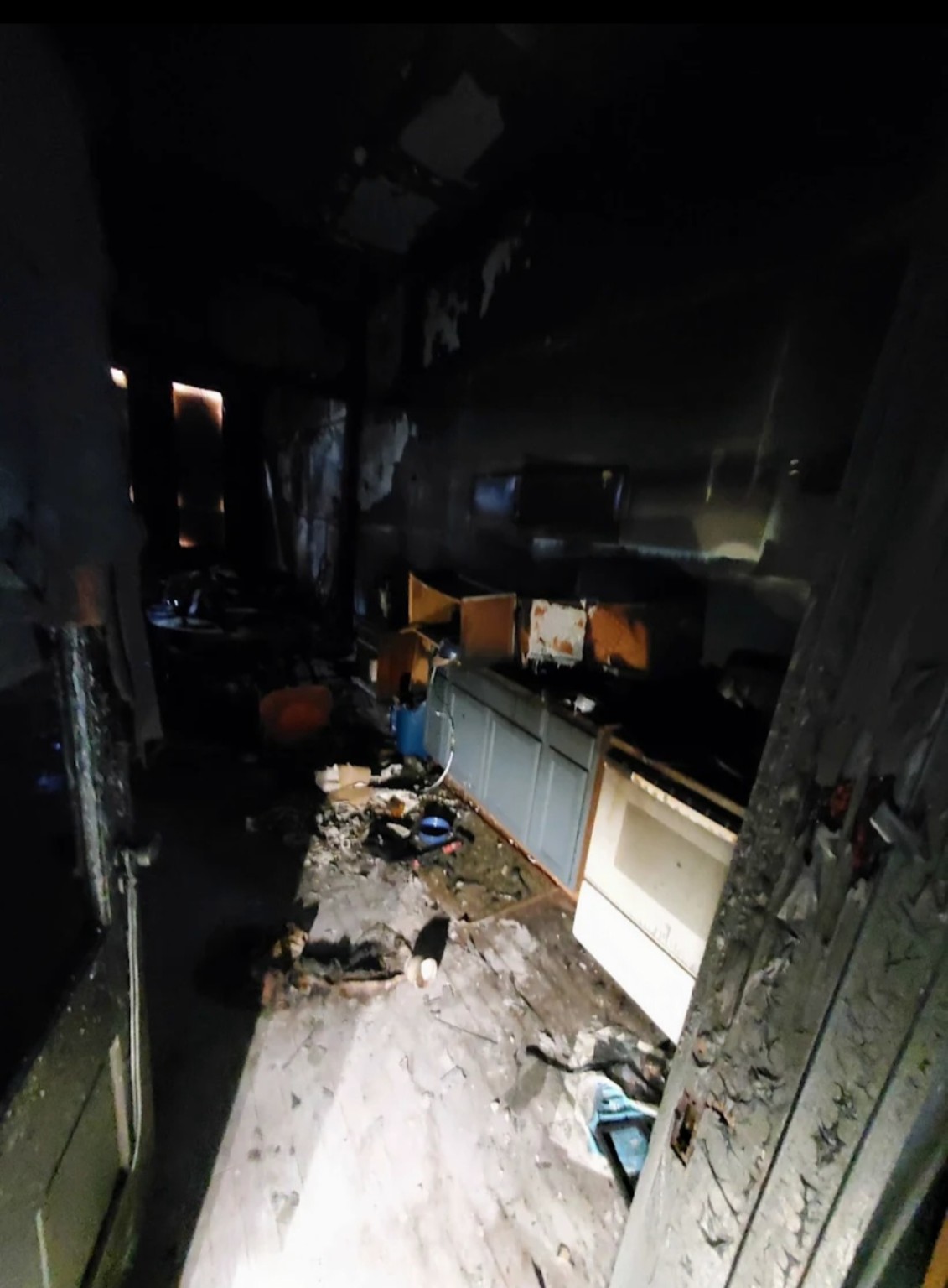
Safe access comes first
Do not enter a fire-damaged property until authorities have confirmed safe access. Follow posted restrictions and stay away from unstable materials or damaged utilities. The American Red Cross advises leaving immediately if you detect a gas leak and contacting the fire department from a safe location.
Once entry is permitted, tell us which rooms were involved, whether firefighting water affected the property, and whether the building has access restrictions. These details help the team prepare for the assessment.
Separate the cleanup questions from the repair questions
We assess the proposed scope for soot, smoke residue, affected surfaces, belongings, and odor treatment. Describe both visible damage and areas where you notice smoke odor. Discuss what can be evaluated for cleaning, what needs further review, and what may require replacement.
Ask whether the estimate includes contents handling, drying, material removal, cleaning, and repairs. Understanding these phases helps you compare proposals and avoid assuming that every item is included in a single cleanup line.
Understand the next phase before approving it
We explain the agreed cleanup areas, project sequence, and documentation. Repairs and rebuilding are separate from cleanup and should be discussed before any additional work is approved. If concealed conditions change the proposed work, scope changes must be explained before authorization.
We work with you and your insurance company on documentation of affected areas and completed work. The insurer decides coverage and payment. Share your claim contact and any instructions you have received, and retain photos and receipts when they can be obtained safely.
Can you promise every smoke odor will disappear?
Results depend on the source, affected materials, and the agreed treatment and replacement scope. We discuss practical expectations after assessment rather than guaranteeing an outcome before inspecting the property.
Explore fire and smoke damage restoration →General safety reference: American Red Cross guidance on checking a home after a fire
Fire and smoke damage restoration in your community.
More restoration guides.
Water leaks, drying, and repairs
What to share after a water leak, how a drying scope is planned, and how Southern Shield plans mitigation and discusses separate repair needs in Middle Tennessee.
Read the guide ↗MOLD REMEDIATIONHidden mold in walls and crawlspaces
Understand hidden mold concerns, moisture assessment, remediation planning, and repairs for Middle Tennessee homes and businesses.
Read the guide ↗SEWAGE AND BIOHAZARDSewage backups and biohazard cleanup
What to share after sewage contamination, how affected materials and access are assessed, and how Southern Shield coordinates cleanup and repairs.
Read the guide ↗Request an assessment or estimate.
What the Nashville fire cleanup record actually includes.
The Nashville home record describes inspection, a contents inventory for the insured, disposal, damaged-building-material removal and structure cleaning to prepare for repairs. Use it to understand the documented cleanup stages, then discuss the affected surfaces and belongings at your own property. Completed reconstruction is not claimed.