
Water leaks, drying, and repairs
A sink leak, overflowing appliance, or leaking air-conditioning unit can leave you with two questions: what is wet, and what needs to happen next? Southern Shield assesses the damage, explains the drying scope, and discusses repair needs separately from mitigation.
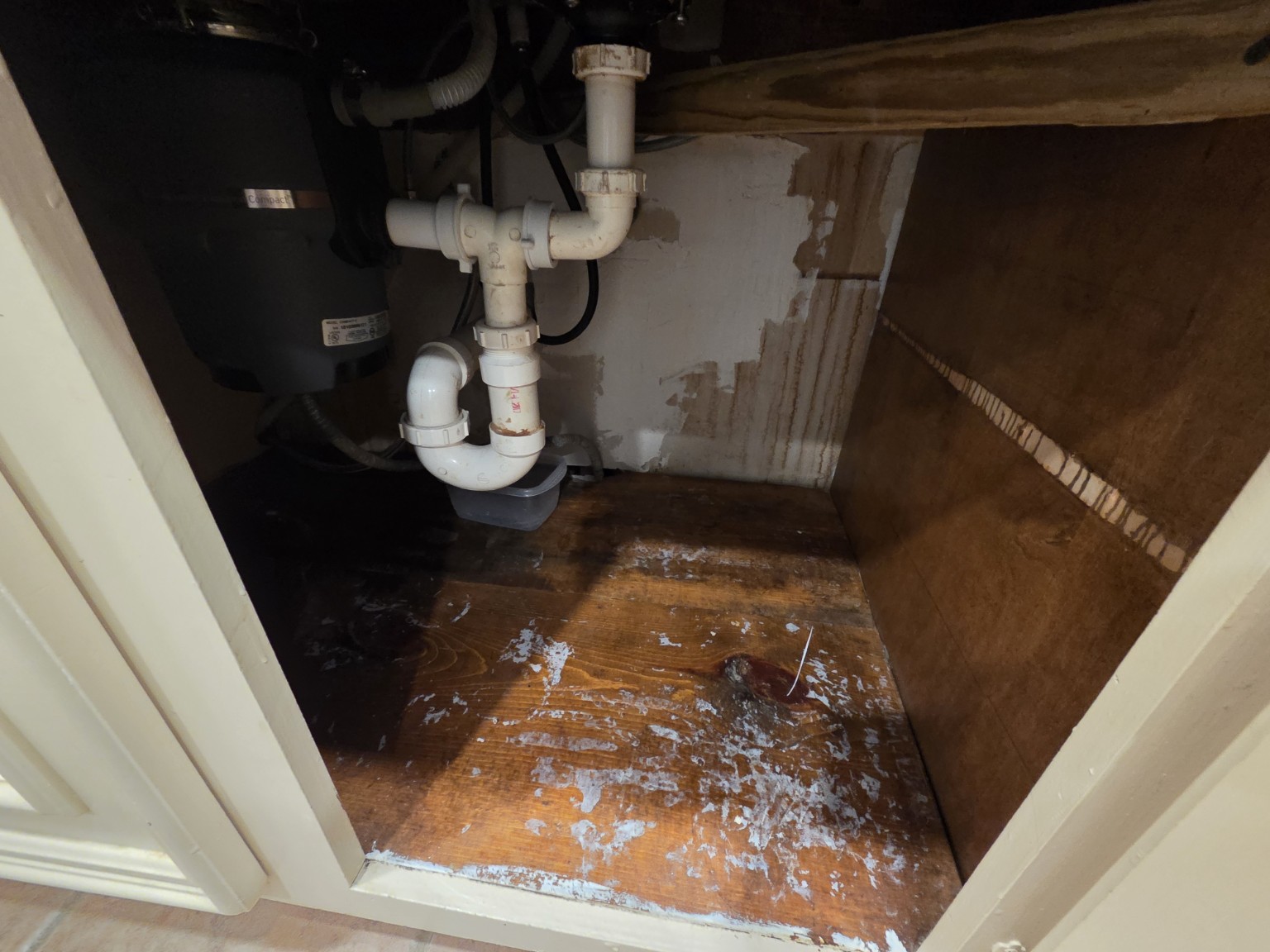
Start with the source and the affected rooms
Tell our team when you first noticed the leak, whether it is continuing, and which rooms or materials are affected. Describe ceiling stains, wall changes, damaged flooring, or wet cabinets. A photograph can help explain what you see, but it cannot replace measurements and an assessment.
Keep clear of standing water near electrical equipment. Have unsafe utilities assessed by the appropriate professional. EPA guidance emphasizes prompt drying and resolving the water source to reduce the chance of mold growth.
What a drying estimate should explain
Our proposed work identifies the affected areas, access needed, materials to be retained or removed, equipment, and monitoring. Ask how drying progress will be documented and what may change if concealed damage is found. The equipment and duration depend on the assessed conditions rather than a fixed number of days for every property.
A surface that looks dry does not establish the condition of concealed materials. Share whether the leak occurred beneath a floor, inside a wall, or above a ceiling so those concerns can be discussed.
Keep cleanup and repair scopes clear
Southern Shield focuses on water extraction, drying, and remediation. Drywall replacement, texture, painting, and other finish work are not automatically included. Ask for repair needs, costs, scheduling, and authorization to be discussed separately before proceeding.
We can help document the affected areas and completed work for your insurance company. Your insurer determines coverage and payment. Keep available photos, receipts, and claim details together so the discussion starts with clear information.
Does water extraction include every repair?
The written estimate defines what is included. Extraction, drying, and material removal are defined in the mitigation scope. Replacement and repair work are separately discussed, priced, and authorized.
Explore water damage restoration →General safety reference: EPA guidance on moisture and mold prevention
Water damage restoration in your community.
More restoration guides.
After a fire: cleanup and repair planning
Understand safe access, soot and smoke cleanup, contents discussions, insurance documentation, and repairs after fire damage in Middle Tennessee.
Read the guide ↗MOLD REMEDIATIONHidden mold in walls and crawlspaces
Understand hidden mold concerns, moisture assessment, remediation planning, and repairs for Middle Tennessee homes and businesses.
Read the guide ↗SEWAGE AND BIOHAZARDSewage backups and biohazard cleanup
What to share after sewage contamination, how affected materials and access are assessed, and how Southern Shield coordinates cleanup and repairs.
Read the guide ↗