
Hidden mold in walls and crawlspaces
A musty smell, previous leak, or stained framing can raise questions about areas you cannot easily see. Southern Shield assesses the affected space and explains the proposed remediation and repair scope before work begins.
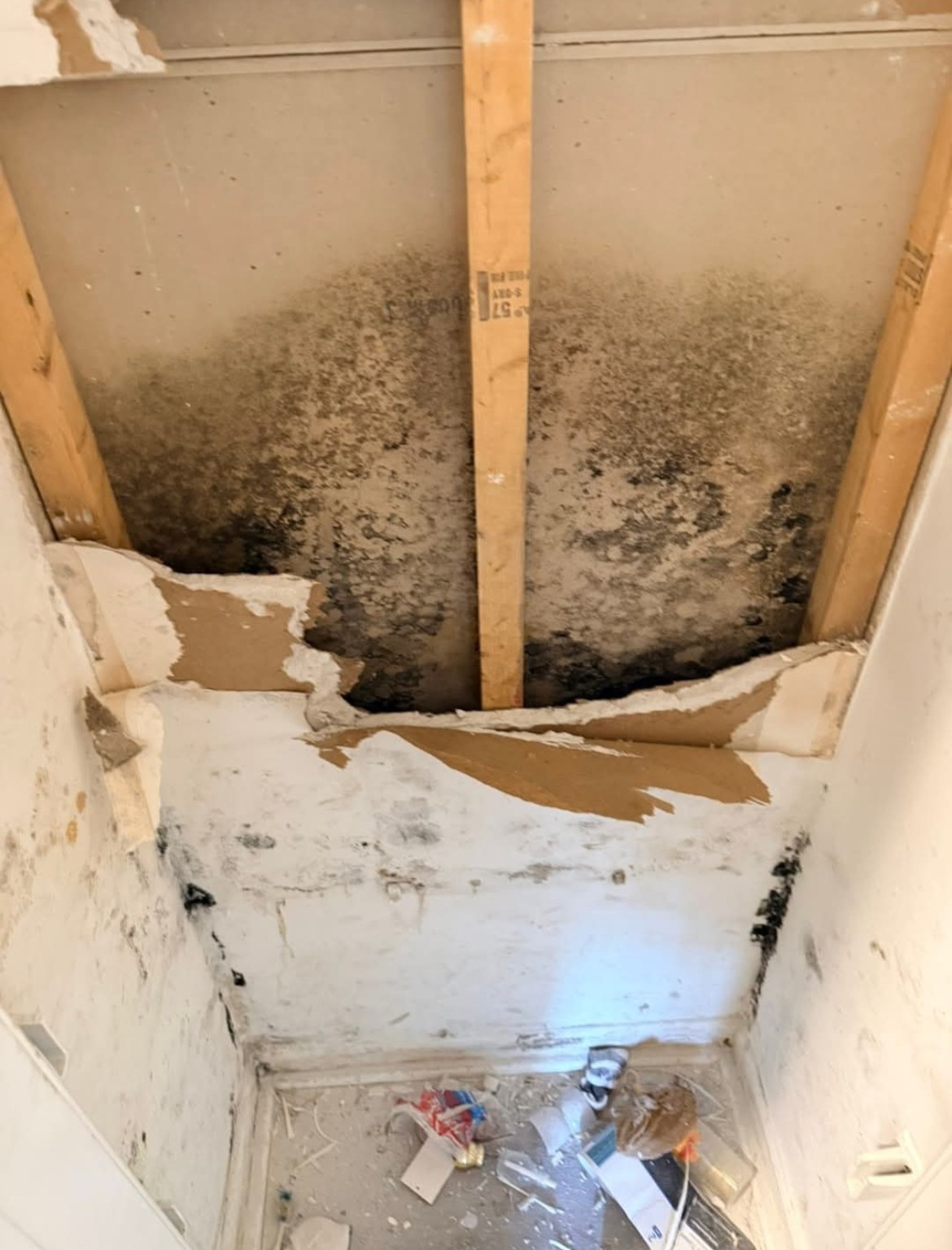
What hidden mold means
EPA guidance describes mold that can be concealed behind wall coverings, beneath flooring, or around moisture sources. Disturbing concealed growth may release spores, so investigation needs care. Avoid opening suspect materials simply to obtain a photo for an estimate.
Tell us about previous leaks, recurring odors, visible growth, and any earlier repairs. Photos of accessible conditions can help the conversation. A photo alone does not identify mold species or establish how far the affected area extends.
Plan around the moisture and the affected materials
Moisture control is a central part of addressing mold. EPA guidance recommends resolving water problems and removing mold rather than covering affected surfaces with paint. Share whether the source is known, whether it has been repaired, and whether the concern returns after rain or use of a fixture.
Our proposed work may include assessment, appropriate containment, HEPA cleaning, affected-material removal, and treatment selected for the surfaces. Ask which spaces are included, how access will be managed, and what conditions may require changes to the scope.
Plan repairs separately from remediation
Southern Shield focuses on mitigation and remediation under clearly defined scopes. Replacement materials, drywall, texture, painting, and structural repairs are not automatically included. Discuss those needs separately and confirm any additional work, cost, and authorization in writing.
Ask how the work will be documented and what follow-up is included. We can provide records for your insurance discussion, while your insurer determines coverage and payment. If you have health concerns, seek advice from a healthcare professional.
Will painting over the area fix the mold?
Covering visible growth does not address the underlying moisture or remove affected material. The remediation plan and drying conditions should be addressed before finish repairs and painting.
Explore mold removal & remediation →General safety reference: EPA guidance on hidden mold, cleanup, and moisture
Mold removal & remediation in your community.
More restoration guides.
Water leaks, drying, and repairs
What to share after a water leak, how a drying scope is planned, and how Southern Shield plans mitigation and discusses separate repair needs in Middle Tennessee.
Read the guide ↗FIRE AND SMOKEAfter a fire: cleanup and repair planning
Understand safe access, soot and smoke cleanup, contents discussions, insurance documentation, and repairs after fire damage in Middle Tennessee.
Read the guide ↗SEWAGE AND BIOHAZARDSewage backups and biohazard cleanup
What to share after sewage contamination, how affected materials and access are assessed, and how Southern Shield coordinates cleanup and repairs.
Read the guide ↗